
Flores Overland tour
You drive for hours on a road barely wider than your car, with sheer cliffs on one side and endless green on the other. This is the Trans-Flores Highway, the spine of an Indonesian island still untouched by mass tourism. While many visitors stop at the coast to see dragons, the true magic of this place exists in the mountains, the small villages, and the volcanic craters tucked into the interior. A Flores overland tour forces you to slow down, look out the window, and witness the raw, unfiltered side of the archipelago.
Why Choose a Flores Overland Tour?
Most people visit Flores for a quick boat trip, but you miss so much if you stay on the water. Driving across the island gives you direct access to remote areas where tourism is minimal. You see changing climates, from tropical coastlines to cool, misty highland forests in a single day.
This approach offers total freedom. You can pull over when you see a local market, a scenic viewpoint, or a waterfall hidden off the main path. You connect with local communities in ways that are impossible when flying from one town to the next. It's not just about seeing the sights, but about moving through the places between them.
Planning Your Route and Major Stops
The standard path for a Flores overland tour runs between Labuan Bajo in the west and Maumere in the east. Most travelers start in Labuan Bajo, as it has a major airport and serves as the gateway to Komodo National Park. From there, the road cuts through Ruteng, Bajawa, and Ende before ending on the eastern coast.
The geography dictates your pace. Mountains dominate the central region, making travel times longer than the distance suggests. You should plan for at least five to seven days to cover the island without rushing. This timeframe allows you to see the dragon sites, explore the highlands, and still have time for a beach break.
Labuan Bajo and the Gateway to the West
Your trip likely begins in Labuan Bajo, a bustling harbor town that has grown quickly to support tourism. While it is the main hub, the real reason to be here is the proximity to Komodo National Park. You can take boat trips to see the famous Komodo dragons on Rinca or Komodo Island.
Beyond the dragons, the park offers some of the best snorkeling and diving in the world. Spend a day at Manta Point to see large rays or visit pristine, sandy beaches on nearby islands. If you stay in town, watch the sunset from one of the hilltop cafes to see the harbor glow. Make sure to book your boat tours a few days early if you visit during the dry season, as popular boats fill up fast.
Exploring the Cultural Heart in Bajawa
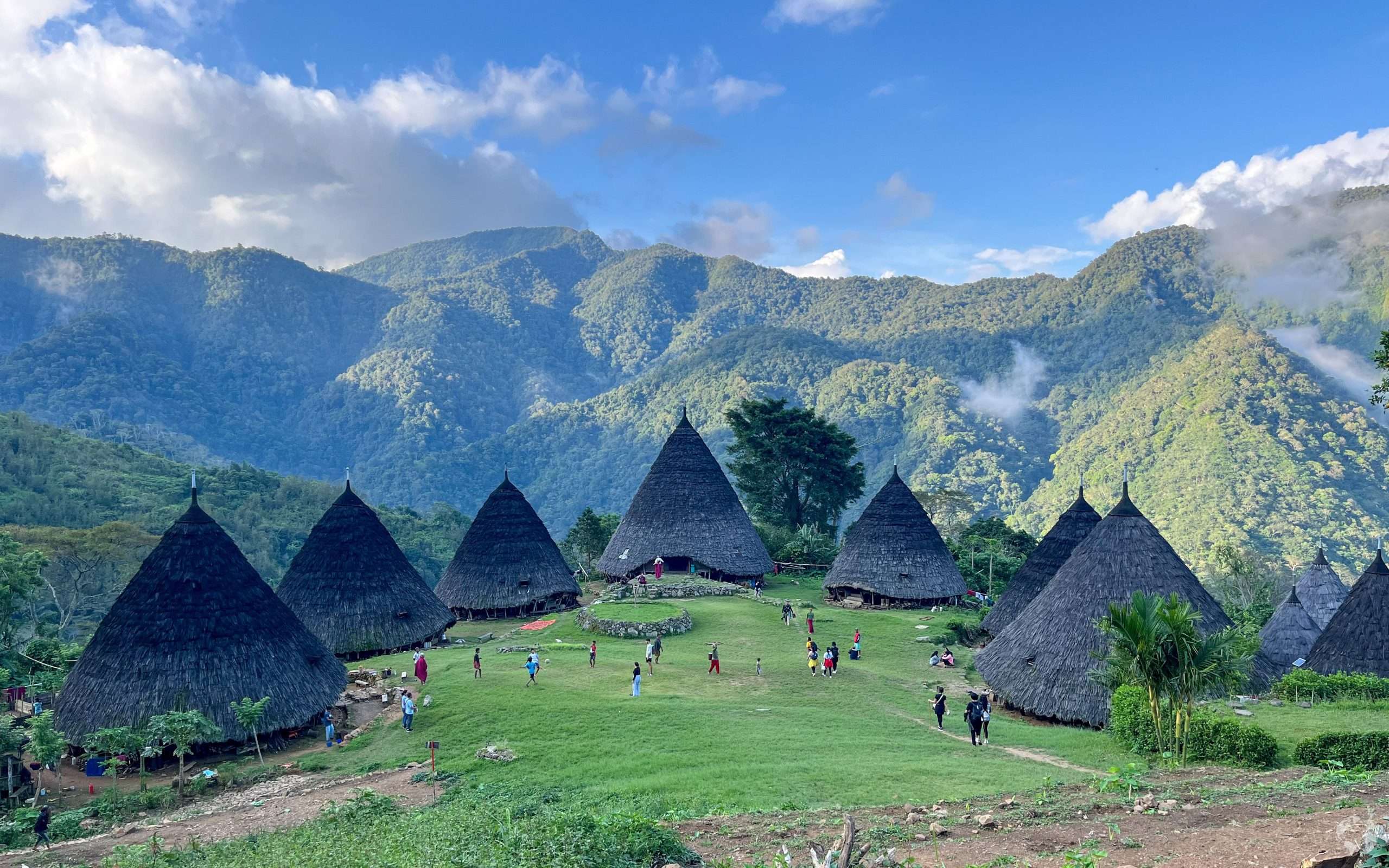
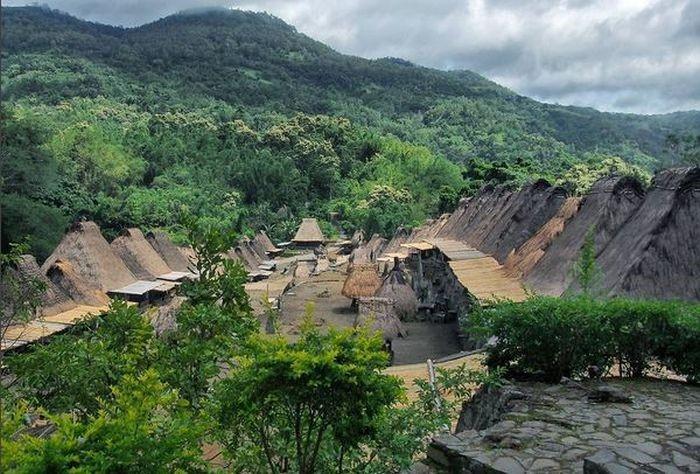
As you move inland toward Bajawa, the scenery shifts to dramatic volcanic peaks. This region is home to unique traditional villages where local culture remains strong. Settlements like Bena and Luba are built on slopes and feature rows of traditional houses with high, thatched roofs.
These villages are more than just photo spots. They hold ancestral shrines and are centerpieces of local customary life. Hire a local guide when you visit to learn about the history and the rules of the village. It is a simple way to show respect and gain more context than you would have on your own. After a day of walking, head to the nearby natural hot springs to soak in warm, mineral-rich water surrounded by forest.
Ende and the Mystical Kelimutu Lakes
Continuing east brings you to Ende, a town with deep historical roots and a busy, authentic market. Many travelers use Ende as a base to reach the nearby Kelimutu volcano. The main draw here is the set of three crater lakes at the summit, each a different, shifting color.
The colors change due to mineral activity, and locals have many stories about what they represent. The best time to visit is at sunrise when the mist hangs low over the crater rims. Temperatures at the top are cold, so bring a jacket. It is a sight that stands out as a high point of the entire island.
The Eastern Frontier and Ikat Traditions
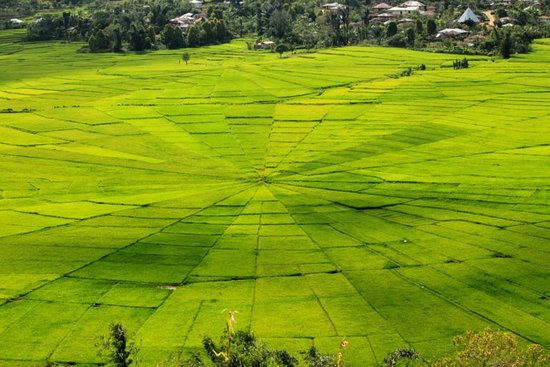
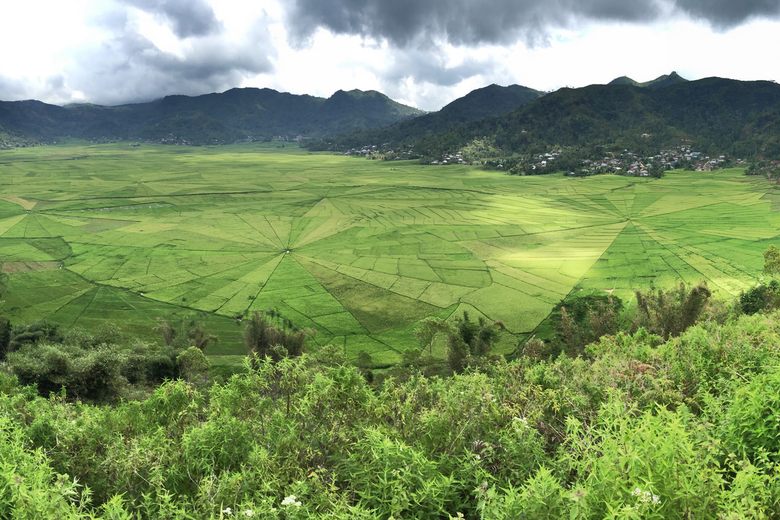
As you reach the eastern end of the island, you find landscapes defined by agriculture and tradition. Near Ruteng, you can see the spider web rice fields, known locally as Lingko. These fields use a traditional communal land-sharing system that creates a clear, geometric pattern when viewed from above.
The eastern region around Maumere is also famous for its intricate Ikat weaving. You can visit villages where women produce textiles using natural dyes and traditional looms. Each pattern tells a story about the family or the area it comes from. Buying directly from these weavers supports local craftspeople and ensures you get an authentic piece of art. Maumere also offers calm beaches and snorkeling, making it a great place to relax after the long drive.
Essential Tips for Your Trip
Getting around Flores requires a good plan. Hiring a private car with a driver is the most common and effective way to see the island. The roads are winding and steep, and local drivers know the conditions better than any visitor. Negotiate your rate upfront and make sure it covers fuel and the driver's daily costs.
Be ready for long days of driving. Download offline maps and a basic phrasebook before you go. You will find a mix of simple guesthouses, local homestays, and some hotels in larger towns. Pack light, but include warm clothes for the highland areas like Bajawa and Kelimutu. Carry insect repellent and plenty of water.
A Flores overland tour is a raw, real experience. It takes you past the typical tourist path and into the heart of an island shaped by fire. If you value authentic encounters over polished experiences, this trip will stay with you long after you leave. Plan your route, hire a local driver, and take the road as it comes.